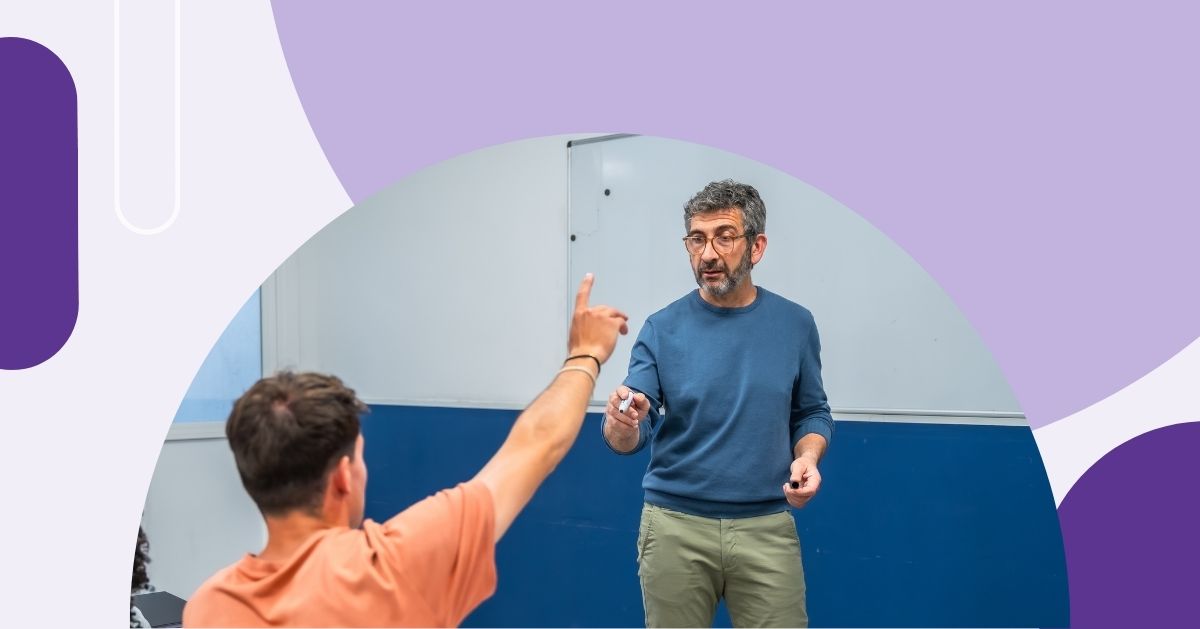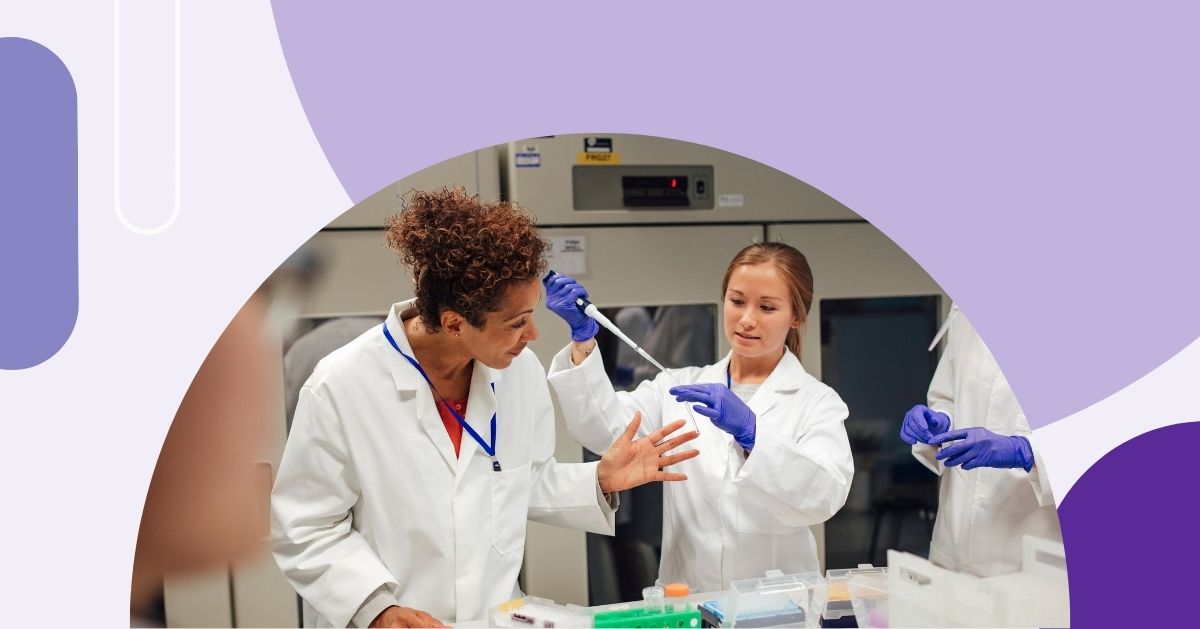
Experiential learning helps students bridge the gap between classroom instruction and real-world application. Through hands-on experiences such as internships, clinical experiences, community-based learning, and simulations, students can apply what they’ve learned while developing practical skills.
Curriculum mapping provides the framework for that alignment. It helps institutions connect experiential learning to program goals, identify gaps, measure student learning, and support continuous improvement and accreditation through a comprehensive curriculum strategy.
What is experiential learning?
Experiential learning is an educational approach that combines classroom instruction with hands-on experiences and structured reflection. Rather than simply absorbing information, students actively apply concepts, solve problems, and develop practical skills through meaningful experiences.
Experiential learning opportunities vary by discipline and institution but commonly include:
- Internships
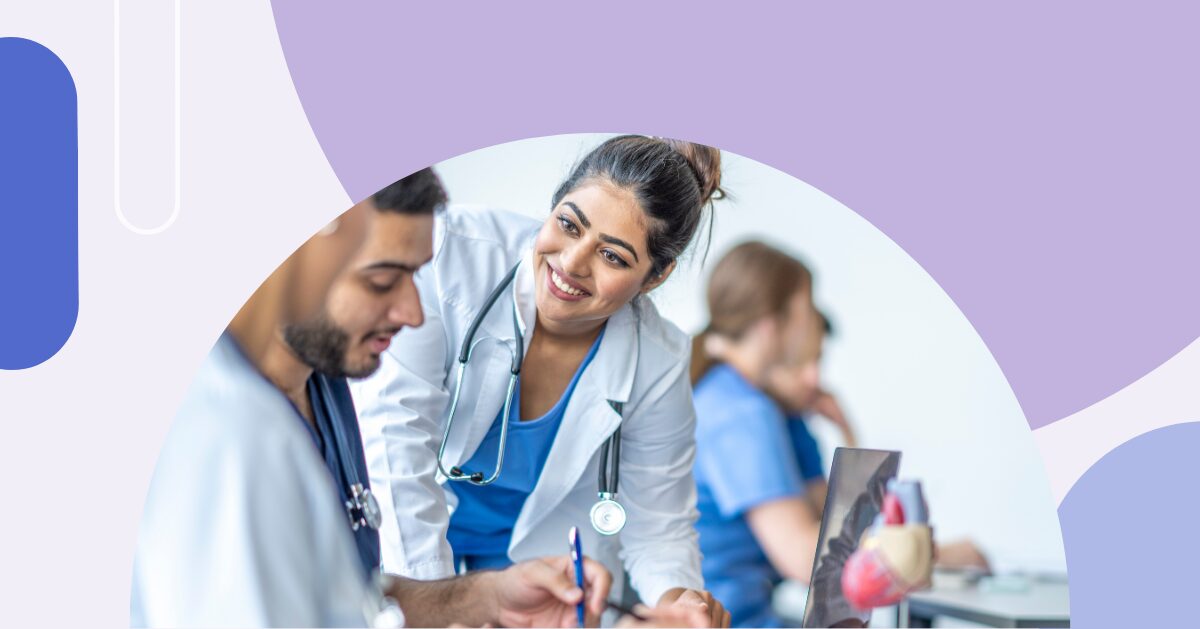
- Practicums and clinical experiences
- Apprenticeships
- Community-based learning
- Undergraduate research
- Simulations and case studies
- Capstone projects
These experiences help students develop communication, collaboration, critical thinking, and problem-solving skills while connecting classroom learning to professional practice.
However, providing experiential activities alone isn’t enough. Institutions also need a way to ensure those experiences support intended learning outcomes and contribute to overall program effectiveness.
Why curriculum mapping matters
Curriculum mapping creates a clear connection between courses, learning activities, assessments, and student learning outcomes. When experiential learning is incorporated into a curriculum map, faculty and academic leaders can see how hands-on experiences reinforce program objectives and institutional priorities. This intentional alignment helps students build knowledge progressively while creating a more connected learning experience.
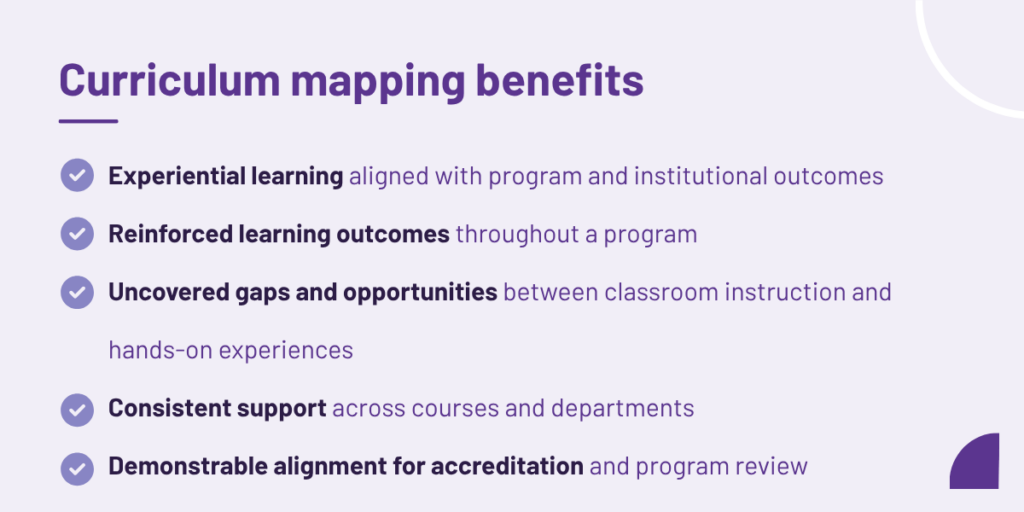
A comprehensive curriculum map helps institutions:
Identify gaps between classroom instruction and hands-on learning experiences while uncovering opportunities to strengthen alignment.
- Align experiential learning with program and institutional learning outcomes.
- Ensure learning outcomes are reinforced progressively throughout a program.
- Identify gaps between classroom instruction and hands-on learning experiences while uncovering opportunities to strengthen alignment.
- Support consistency across courses and departments.
- Demonstrate alignment for accreditation and program review.
Together, these benefits help institutions create a more intentional and effective experiential learning curriculum. Rather than treating internships, clinical experiences, or service-learning projects as standalone activities, curriculum mapping integrates them into the broader educational experience. This creates a more intentional educational experience while helping faculty understand how each activity contributes to long-term learning goals.
Measuring learning outcomes and impact
Experiential learning delivers the greatest value when institutions can evaluate its effectiveness. Mapping experiential learning alongside assessments helps faculty connect assignments, field experiences, and reflections directly to learning outcomes, making it easier to evaluate student achievement and identify where additional support may be needed.
Assessment data also helps institutions:
- Monitor student progress across programs.
- Evaluate the effectiveness of experiential learning activities.
- Identify areas where curriculum adjustments are needed.
- Support continuous improvement initiatives.
- Prepare evidence for accreditation and institutional reporting.
As workforce needs evolve, institutions can use assessment results to refine experiential learning opportunities and keep programs aligned with changing expectations.
How to map experiential learning at your institution
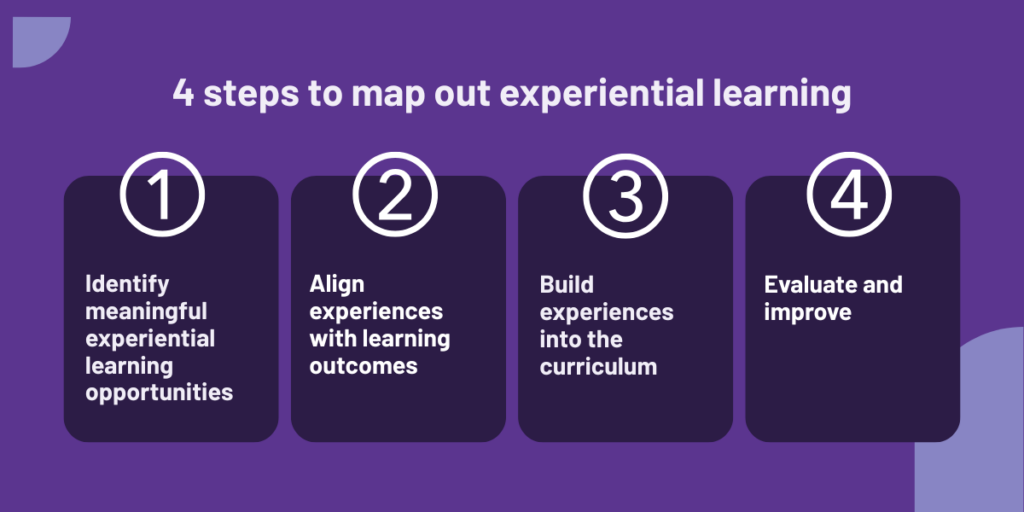
Identify meaningful experiential learning opportunities
Review existing courses and programs to determine where experiential learning can strengthen student learning. Depending on your institution and discipline, this may include internships, clinical placements, apprenticeships, simulations, research opportunities, or community partnerships.
Align experiences with learning outcomes
Each experiential activity should support specific course, program, or institutional outcomes. Clearly defined outcomes help faculty design meaningful experiences while providing a framework for assessment.
Build experiences into the curriculum
An effective experiential learning curriculum integrates hands-on experiences with classroom instruction rather than treating them as separate activities. Curriculum maps help faculty determine where each experience fits within a program and how it builds on previous coursework.
Evaluate and improve
Curriculum mapping is an ongoing process. Regularly reviewing assessment results, faculty feedback, and student performance helps institutions identify where experiential learning experiences may not fully support intended learning outcomes. These insights allow faculty to refine activities, address gaps in the curriculum, and strengthen alignment between classroom instruction and hands-on learning over time.
Map experiential learning in your curriculum with Watermark
A comprehensive curriculum map helps institutions build an experiential learning curriculum by connecting classroom instruction, hands-on experiences, student learning outcomes, program goals, and institutional priorities.
With Watermark Planning & Self-Study, institutions can map curriculum, align experiential learning with program and institutional learning outcomes, and assess student achievement within a single, centralized platform. By connecting curriculum maps, learning outcomes, and assessment data, institutions can identify gaps, streamline evidence collection for accreditation and program review, and make data-informed decisions that strengthen continuous improvement efforts.
For institutions managing field experiences, clinical placements, or educator preparation programs, Watermark Student Learning & Licensure extends these capabilities by helping faculty coordinate placements, track student progress, manage licensure requirements, and evaluate field-based learning experiences, all while supporting stronger student outcomes and program accountability.
Frequently asked questions
What is experiential learning in higher education?
Experiential learning allows students to apply classroom knowledge through hands-on experiences and structured reflection. Common examples include internships, clinical experiences, research projects, simulations, community-based learning, and apprenticeships.
How does curriculum mapping support experiential learning?
Curriculum mapping connects experiential learning activities to learning outcomes, assessments, and program goals. This helps institutions ensure consistency, identify gaps, measure student achievement, and support continuous improvement.
Why is it important to assess experiential learning?
Assessing experiential learning helps institutions understand whether students are developing the intended knowledge and skills. Assessment data also provides evidence for accreditation, informs curriculum improvements, and supports student success initiatives.
What are examples of experiential learning?
Common examples include internships, practicums, apprenticeships, service learning, clinical placements, undergraduate research, capstone projects, simulations, and community-based learning experiences. Together, these experiences form an experiential learning curriculum that reinforces classroom learning and program outcomes.